- 5 min read
- 18 Feb 2026

Can You Really Get Vitamin D3 on a Vegan Diet?
Patients often ask me this, sometimes with a tinge of frustration. They’ve committed to a plant-based lifestyle for ethical or health reasons, only to run into a nutritional roadblock. The internet is filled with conflicting advice, and the vitamin aisle can feel overwhelming. For years, vitamin D3—the form our bodies make from sunlight and use most effectively—was almost exclusively sourced from animals. This left vegans with few good options. But the landscape has changed dramatically.
The D2 vs. D3 Dilemma
To understand the solution, we first need to understand the problem. Vitamin D isn't a single compound. It’s a family of fat-soluble vitamins, but the two that matter most for human health are D2 (ergocalciferol) and D3 (cholecalciferol).
Vitamin D2 is derived from plant sources, primarily fungi like mushrooms that have been exposed to UV light. Vitamin D3 is the type our skin synthesizes when exposed to sunlight. It’s also found in animal products like fatty fish, liver, and egg yolks. For decades, most vitamin D supplements were made using D3 extracted from lanolin, the oil from sheep's wool.
In clinical practice, we've seen that while both forms can raise vitamin D levels in the blood, most studies suggest D3 is more potent and stable. It maintains higher concentrations in the body for longer. This is why many clinicians prefer patients to supplement with D3, which created a clear challenge for the vegan community.
What Has Changed in Recent Years
The game-changer wasn't a new discovery about mushrooms or a breakthrough in fortified soy milk. It came from an entirely different part of the natural world: lichen.
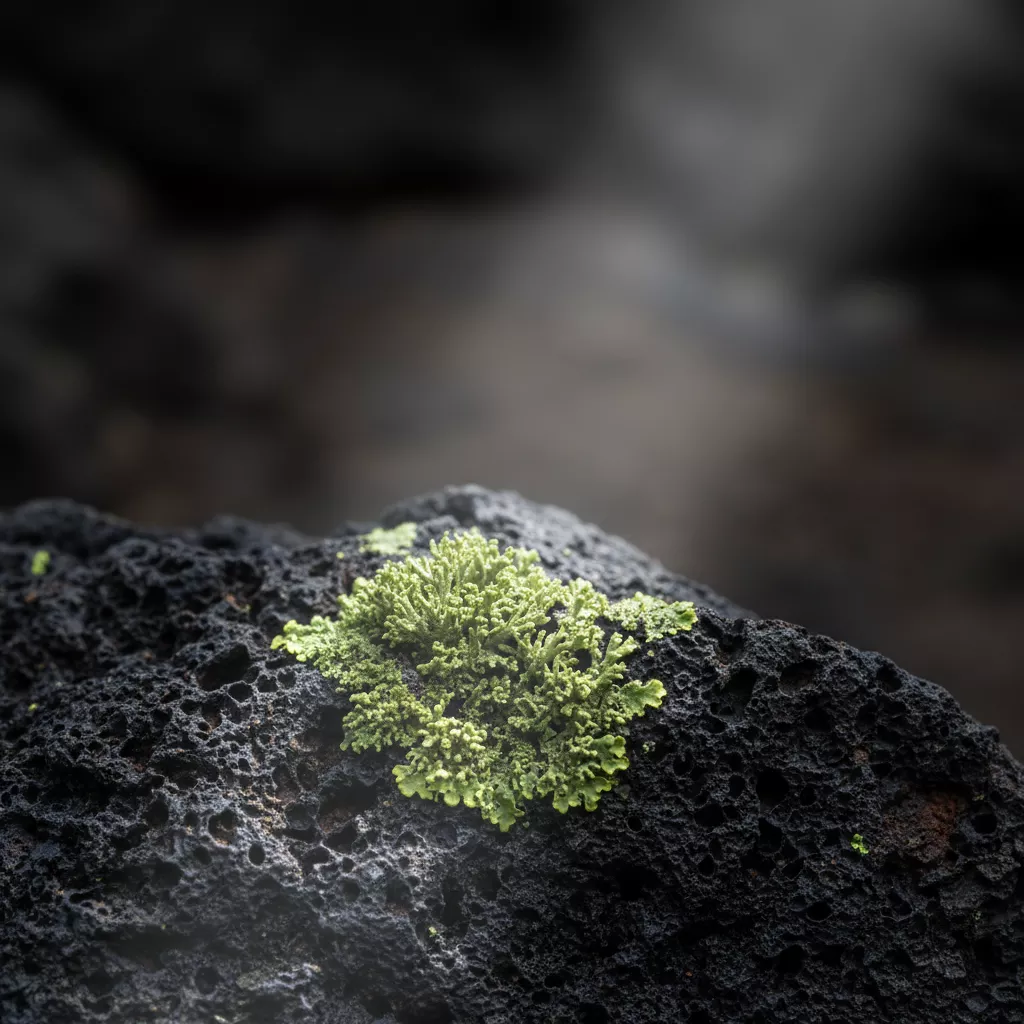
Lichens are fascinating composite organisms, a symbiotic partnership between a fungus and an alga or cyanobacterium. They grow on rocks, trees, and walls all over the world. Researchers discovered that certain species of lichen produce a chemically identical, fully vegan form of vitamin D3 when they are exposed to UV light. This was a monumental breakthrough.
It allowed for the large-scale production of high-quality, plant-based vitamin D3 supplements. Suddenly, vegans were no longer forced to choose between an animal-derived product and the less potent vitamin D2. You can now walk into a health food store and find bottles clearly labeled "Vegan Vitamin D3 from Lichen."
A Practical Perspective for Patients
Navigating your vitamin D intake on a vegan diet is now quite straightforward. Your primary options are sunlight, fortified foods, and supplements.
Sunlight: The original source remains the best, but it's wildly unreliable. Your ability to produce vitamin D depends on your geographic location, the season, the time of day, your skin pigmentation, and your use of sunscreen. For someone in Northern Europe during winter, getting adequate vitamin D from the sun is nearly impossible. Don't rely on it as your sole source.
Fortified Foods: Many plant-based milks, yogurts, and cereals are fortified with vitamin D. However, you must read the label carefully. Some are fortified with D2, and even those with D3 often contain amounts too low to correct a deficiency on their own. They are a helpful top-up, but not a robust strategy.
Supplements: For most vegans, a supplement is the most reliable method. Look specifically for "Vitamin D3 (as Cholecalciferol) from Lichen" on the ingredient list. The right dose varies significantly from person to person. While general guidelines often suggest around 600-1000 IU daily for maintenance, the only way to know what you truly need is to get a blood test. Ask your doctor for a 25-hydroxyvitamin D test to establish your baseline and supplement accordingly.
Key Takeaways
Maintaining healthy vitamin D levels on a vegan diet is no longer the challenge it once was. The key is understanding that D3 is generally more effective than D2. While sun exposure helps, its inconsistency makes it an unreliable primary source for many. The most significant development has been the commercial availability of vitamin D3 sourced from lichen, a completely plant-based and bio-identical alternative to animal-derived supplements. A targeted, lichen-based supplement, guided by blood testing and physician advice, is the most dependable strategy for most vegans.
Frequently Asked Questions
Is the vitamin D from UV-exposed mushrooms a good source of D3?
No. Mushrooms produce vitamin D2 (ergocalciferol) when exposed to UV light, not D3. While D2 does work, most evidence suggests D3 is more effective at raising and sustaining blood vitamin D levels.
Is lichen-derived vitamin D3 as effective as the kind from sheep's wool (lanolin)?
Yes. The cholecalciferol molecule from lichen is structurally identical to the one from lanolin. Your body cannot tell the difference. They are equally effective.
Can I get enough vitamin D just from fortified plant milks?
It's very unlikely. A typical glass might contain about 100-120 IU of vitamin D. If you're deficient or have minimal sun exposure, you would need to consume an impractical amount of fortified milk. It's better viewed as a contributor, not a primary source.
How do I know if my vitamin D level is low?
Common symptoms of deficiency can be subtle and include fatigue, bone pain, muscle weakness, and low mood. However, many people have no symptoms at all. The only definitive way to know your status is through a simple blood test ordered by your doctor.